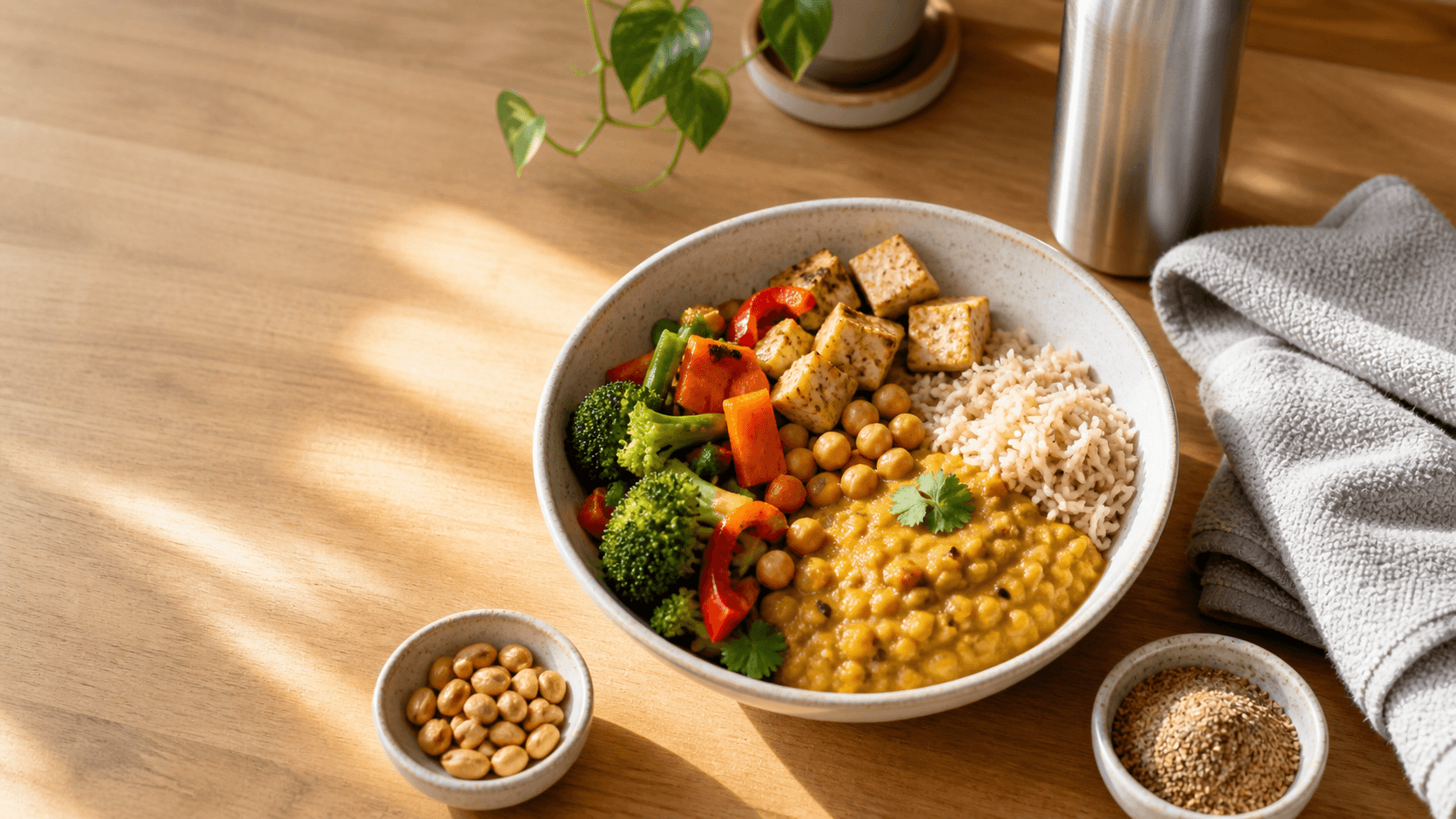

There is a version of “plant-based eating” that looks like punishment: plain salad, a hungry evening, and a heroic refusal of everything enjoyable. That version is unlikely to last.
Then there is the version many Indian kitchens already understand: dal with rice, chana with roti, rajma, vegetable khichdi, sprouts, peanuts, sesame, fruit, seasonal sabzi, and a handful of nuts. It is not a new imported trick. It is ordinary food, made more intentional.
That is the useful idea behind a whole-food plant-based way of eating. It is not about earning moral points for a perfectly pure plate. It is about making plants do more of the everyday work: providing the fibre, protein, flavour, and staying power of meals, while paying close attention to the few nutrients that cannot be left to chance.
First, separate the labels
The terms are often mixed together, but they are not identical.
A vegan diet avoids animal-derived foods: meat, fish, eggs, dairy, and usually other animal ingredients. It tells you what has been excluded. It does not automatically tell you what is being eaten instead.
A whole-food plant-based diet puts the emphasis on minimally processed plant foods: vegetables, fruits, pulses, beans, whole grains, nuts, seeds, and soy foods such as tofu or unsweetened soy milk. It usually limits refined grains, sugary drinks, fried snacks, and heavily processed “vegan” foods. Some people follow it fully vegan; others simply make it the main pattern of their meals.
This distinction matters because a packet of chips, sugary cola, instant noodles, and many desserts can be vegan. They are still not the foundation of a healthy diet.
The most useful question is not, “Is this food vegan?” It is, “Does this meal regularly give me plants in their useful forms: fibre-rich, filling, and varied?” WHO guidance similarly places whole grains, vegetables, fruit, and pulses at the centre of carbohydrate intake, with diversity and moderation as part of a healthy overall pattern.
Why people find this way of eating appealing
For many people, the attraction is not one dramatic promise. It is that meals become more colourful and less dependent on packaged food. A plate built around dal, vegetables, whole grains, beans, nuts, and fruit naturally brings more fibre and a wider range of micronutrients than a plate built mainly around refined flour, fried food, or processed meat.
That may support better fullness, bowel regularity, and long-term heart and metabolic health when it replaces less nutritious patterns. But it is important not to turn any diet into a cure-all. A person with diabetes, high BP, kidney disease, anaemia, thyroid disease, or a history of eating difficulties still needs an individual plan. Food can be powerful, but it does not replace prescribed treatment or monitoring.
For people managing diabetes or BP, the quality of the swap matters. Replacing a balanced meal with juice, white bread, or a large portion of refined vegan snacks is not the same as choosing vegetables, pulses, and whole grains. If you have BP, remember that a plant-based label does not make a food low in salt. Pickles, papad, instant meals, sauces, and packaged mock meats can still add a lot of sodium. If you are adjusting your lifestyle for BP, keep measuring it properly; feeling well is not enough to tell whether BP is controlled.
The simplest way to build a satisfying plate
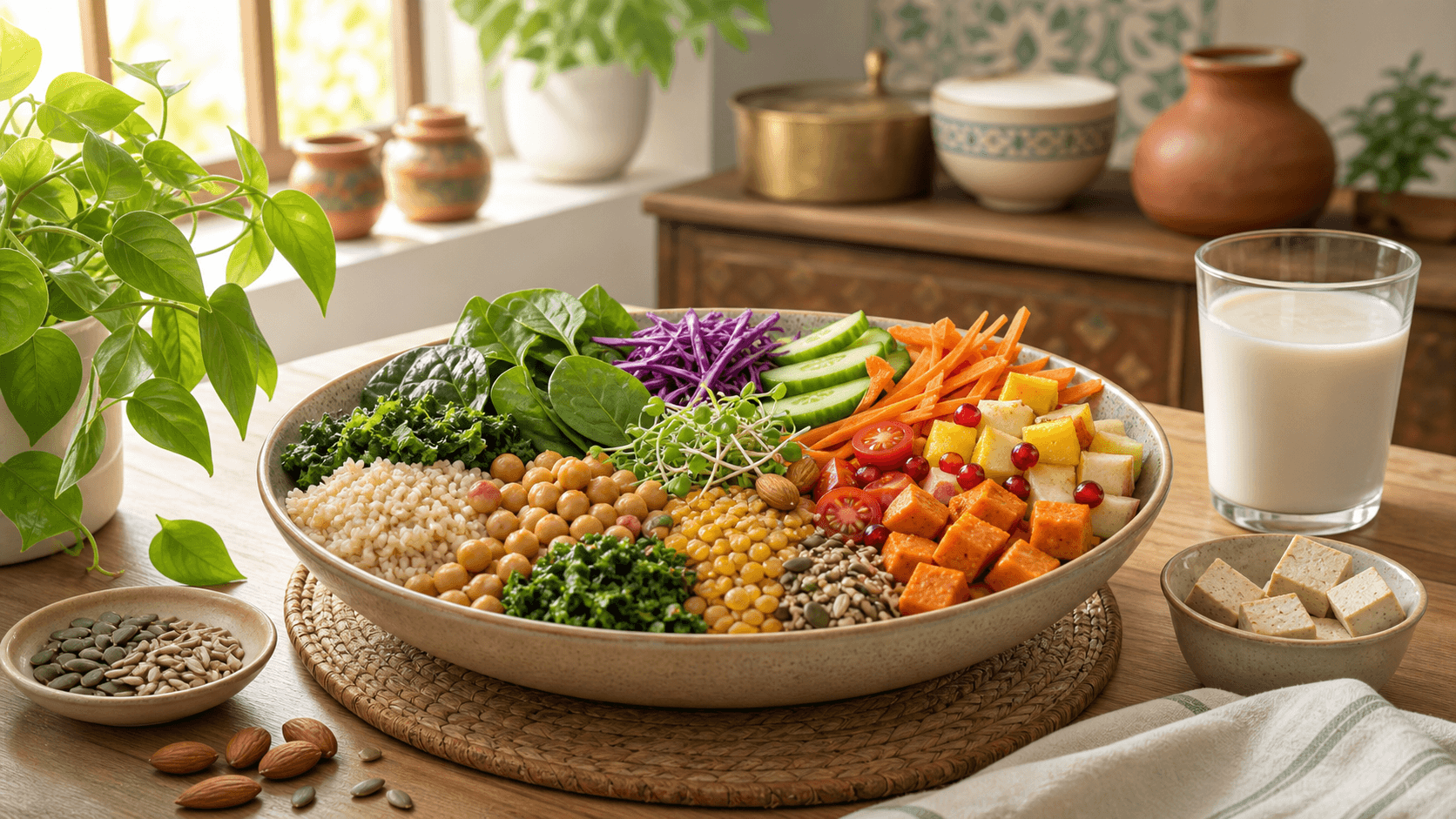
You do not need imported powders or a cupboard full of specialist products. Start by making each main meal do four jobs.
-
Add a protein anchor. Think dal, moong, masoor, chana, rajma, lobia, beans, soy chunks, tofu, tempeh, peanuts, or a combination. Protein is not a single exotic ingredient; it is a regular meal habit.
-
Choose a useful carbohydrate. Whole wheat roti, oats, brown or hand-pounded rice, millets, corn, or other whole grains are options. White rice or maida need not be treated as forbidden, but they should not crowd out all the fibre-rich choices.
-
Make vegetables visible. A sabzi is not a garnish. Use a generous portion, vary the colours across the week, and include leafy greens where practical. Fruit is a useful everyday food too; it is not “too sweet” simply because it is fruit.
-
Finish with a small source of healthy fat and flavour. Ground flaxseed, chia, sesame, peanuts, walnuts, mustard seeds, or a modest amount of unsaturated cooking oil can make a meal more satisfying. Spices, lemon, herbs, garlic, ginger, and chutneys can do a great deal without needing heavy cream or excess salt.
That can look very ordinary:
- Breakfast: vegetable poha with peas and peanuts, fruit on the side; or oats with soy milk, fruit, and seeds.
- Lunch: roti or rice, dal or chana, two vegetables, salad, and lemon.
- Dinner: rajma with rice and a vegetable; tofu bhurji with roti; or mixed-dal khichdi with vegetables and a peanut or sesame chutney.
The goal is not to make every meal a nutrition calculation. It is to make the pattern reliable enough that the calculations take care of themselves most days.
“But where will I get protein?”
This is the first question almost everyone asks, and it is a fair one. A plant-based diet can provide protein, but it needs actual protein foods in it. Tea and toast, fruit only, or a large bowl of plain rice do not become balanced simply because they are vegan.
Pulses and legumes are the workhorses. Soy foods are particularly useful because they are convenient and protein-rich. Peanuts, nuts, seeds, and whole grains add to the total. Rather than looking for a perfect protein in one bowl, eat a varied mix over the day and include a protein anchor at each main meal.
People who are older, recovering from illness, trying to gain weight, training hard, or losing weight unintentionally may need more personalised advice. Persistent tiredness, poor appetite, or unplanned weight loss should not be dismissed as “detox.” They deserve a medical review; ongoing weakness can have many causes beyond diet.
The nutrients that deserve a plan, not optimism
The weak point of a poorly planned vegan diet is usually not vegetables. It is assuming that vegetables alone cover everything.
Vitamin B12: the non-negotiable one
Vitamin B12 supports healthy blood cells and nervous-system function. It is not naturally present in unfortified plant foods. Seaweed, fermented foods, and “natural” claims should not be treated as a dependable B12 plan.
If you are fully vegan, use a reliable B12 source from fortified foods and/or a suitable supplement. The right product and schedule depend on the person, so ask a clinician or registered dietitian if you are unsure, pregnant, breastfeeding, older, have stomach or bowel disease, or take long-term medicines that may affect absorption. Do not wait for tingling, marked fatigue, or anaemia to make a plan; B12 deficiency can take time to show itself.
Iron: pair it thoughtfully
Beans, lentils, chickpeas, leafy greens, nuts, seeds, and iron-fortified foods can contribute iron. But plant iron is absorbed less efficiently than the heme iron in animal foods. A simple habit helps: have vitamin C with iron-rich meals. Lemon on dal, amla, guava, oranges, tomatoes, capsicum, or a fruit after a meal are practical options.
Tea and coffee can reduce iron absorption when taken with a meal, so it is sensible to leave a gap around your main iron-rich meals, especially if you already have low iron. Do not start high-dose iron tablets just because you have changed your diet. Iron deficiency needs the right diagnosis and treatment plan.
Calcium, vitamin D, and iodine: check the label and the salt tin
If dairy is removed, calcium needs a replacement. Calcium-set tofu and fortified plant milks or yoghurts can help, but labels matter: not every plant drink is fortified, and not every one contains useful protein. Green vegetables, sesame, and pulses contribute too, but should not be the entire plan by default.
Vitamin D is difficult to obtain from food alone for many people, whether they are vegan or not. Advice depends on age, sun exposure, skin tone, season, and blood results. A clinician can help decide whether testing or a supplement is sensible.
Iodine is easy to forget. In India, using iodised salt in normal household amounts is an important public-health protection. Ordinary common salt sold for household use and as a food ingredient is required to be iodised, with defined exemptions. But do not assume that every specialty salt is iodised: check the label for rock, Himalayan, black, or other specialty salts. Do not compensate by taking kelp or iodine supplements on your own; too much iodine can also create thyroid problems.
Omega-3 fats: make a small daily habit
Flaxseed, chia seeds, walnuts, and some plant oils provide ALA, an essential omega-3 fat. A practical option is adding ground flaxseed to oats, curd alternatives, atta, or chutney. If you are pregnant, breastfeeding, have a medical condition, or are considering an algae-based DHA supplement, get individual guidance rather than copying advice from social media.
A sensible way to transition
Changing every meal overnight often makes the diet feel harder than it is. Try one dependable change at a time.
For the first week, make breakfast more plant-forward. Next, learn two dinners you genuinely enjoy: perhaps chana masala, rajma, tofu bhurji, or a mixed-dal dish. Then check the practical gaps: a B12 plan, an iodised salt habit, and whether your chosen plant milk is fortified if you use it in place of dairy.
Keep your kitchen realistic. Dried dals, canned or batch-cooked beans, frozen vegetables, roasted chana, peanuts, oats, and seasonal fruit are often more helpful than expensive “health” products. Convenience matters, because the best diet is not the one you follow perfectly for ten days; it is the one you can return to on a busy Tuesday.
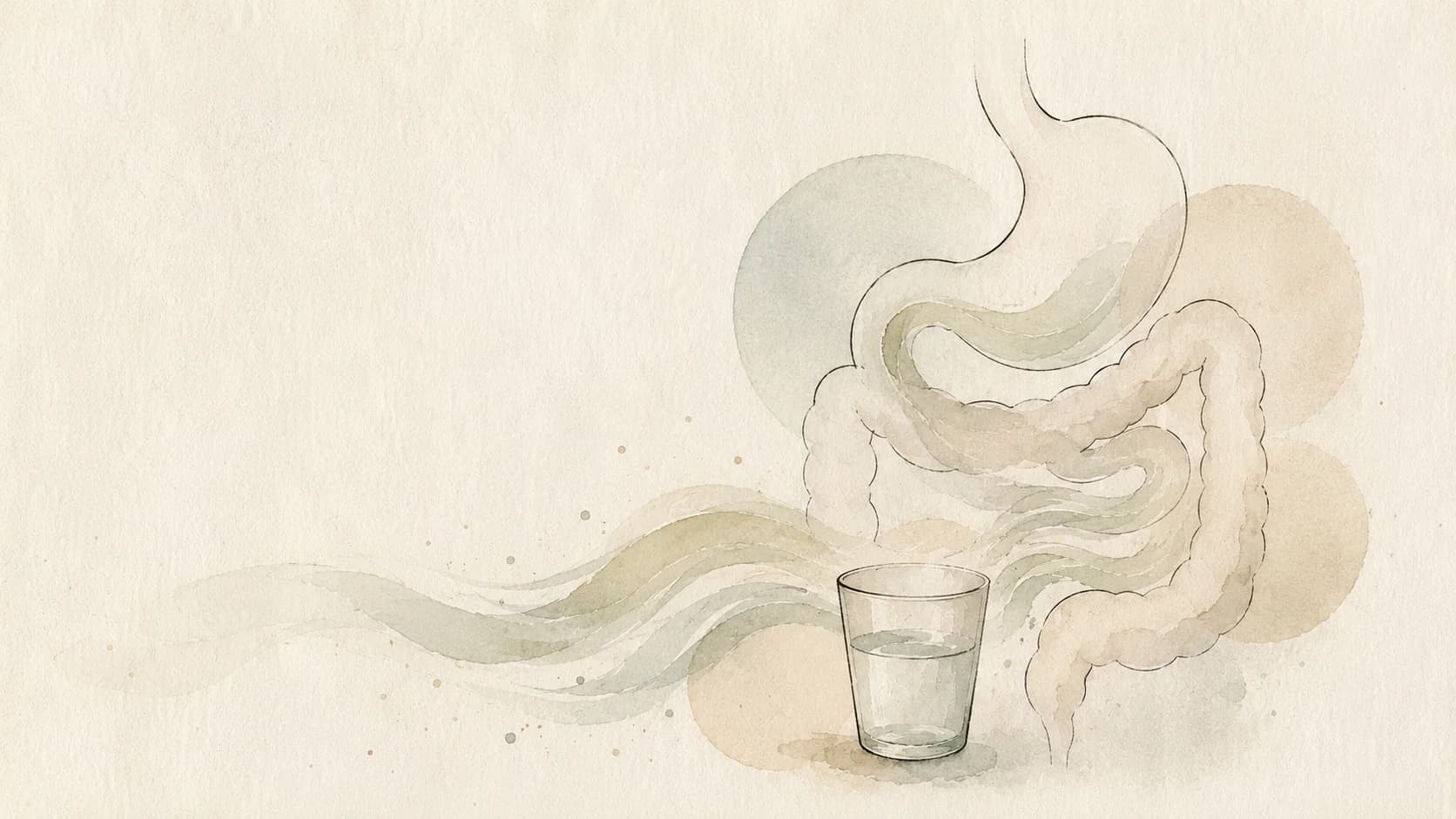
Fibre can increase quickly when you add pulses, whole grains, vegetables, and fruit. Gas or a change in bowel habits may happen at first. Start gradually, drink enough water, cook pulses well, and use smaller portions more regularly while your gut adjusts. But persistent abdominal pain, blood in stool, significant diarrhoea, vomiting, or weight loss is not a normal transition symptom. For recurring upper-abdominal discomfort, it is worth reading when stomach pain after food needs more than a guess about gas or acidity.
- Pregnant, breastfeeding, planning pregnancy, or feeding a child
- Older, frail, underweight, or losing weight without trying
- Living with kidney disease, significant anaemia, inflammatory bowel disease, coeliac disease, or another absorption problem
- Managing diabetes with insulin or medicines that can cause low sugar
- Recovering from surgery, a serious illness, or an eating disorder
Also seek review for new numbness or tingling, marked fatigue, breathlessness, unexplained weight loss, repeated dizziness, or symptoms that are getting worse. A diet change should not delay diagnosis.
The takeaway
A whole-food plant-based diet is not a plate of restriction. At its best, it is a generous pattern of dal, beans, vegetables, fruits, whole grains, nuts, seeds, and carefully chosen fortified foods.
It can be deeply familiar, affordable, and enjoyable. But “plant-based” is not a magic word. Keep highly processed vegan foods occasional, build meals around real protein and fibre, use a reliable B12 source, and pay attention to iron, calcium, vitamin D, iodine, and omega-3 fats.
If that sounds less glamorous than a detox, good. Good nutrition is usually quiet. It looks like a meal that fills you up, a routine you can keep, and a body that is being looked after without being pushed to extremes.