
It happens almost every week in my OPD. A patient I treated three days ago for a bad throat infection or a stubborn fever walks back in, looking more worried than they did the first time. They place the strip of antibiotics on my table—usually with two or three tablets missing—and say, "Doctor, this medicine is too strong. It created a lot of heat in my body. I have started having loose motions, so I stopped taking it."
I understand the panic. You take medicine to feel better, not to spend half your day in the washroom. But stopping your antibiotic course halfway because of a loose stomach is a mistake that can lead to bigger problems, like antibiotic resistance.
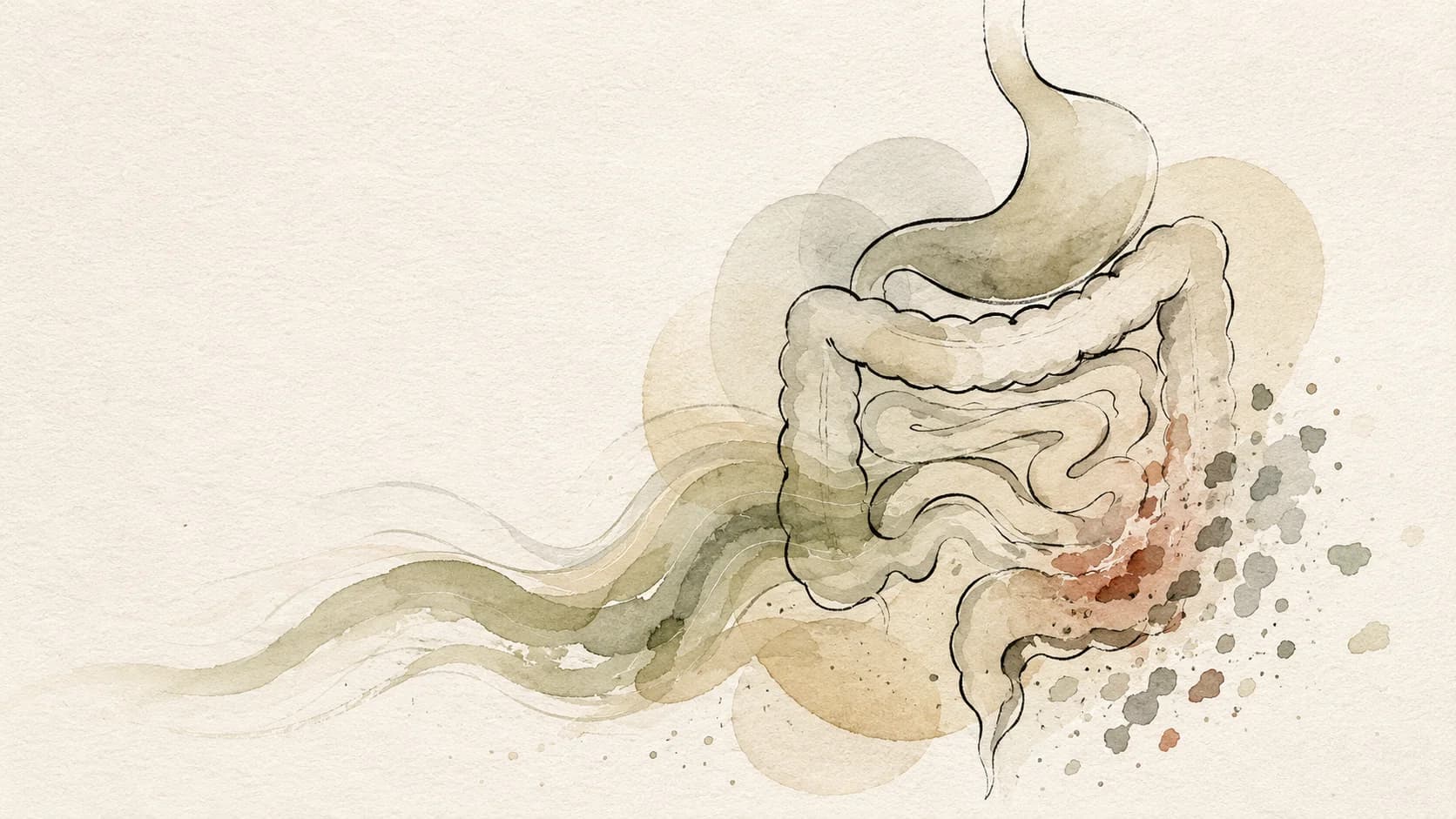
Antibiotic-associated diarrhea is a frequent side effect where medication disrupts the natural balance of bacteria in your intestines. It typically causes loose, watery stools a few days into the treatment. While uncomfortable, it is usually mild and resolves on its own once the course ends, though severe cases require medical review.
Why Does This Happen?
To understand why your stomach is upset, you have to understand how antibiotics work. Think of an antibiotic like a carpet bomb or a powerful weed killer. Its job is to kill the bad bacteria causing your throat pain or fever.
The problem is, the medicine cannot always tell the difference between the "bad" bacteria making you sick and the "good" bacteria that live in your gut and help you digest food. When you take a course of antibiotics—common ones like amoxicillin or azithromycin—lots of those good, friendly bacteria get washed away along with the infection.
In India, we often call this garmi or "heat" caused by medicines. Medically, it is simply a temporary imbalance. Your gut is a busy ecosystem, and when the population of good guys drops, digestion slows down, water isn't absorbed well, and you end up with loose motions.
When Is It "Normal"?
If you are visiting the washroom two or three times a day, the stool is loose but not water-like, and you feel generally okay otherwise, this is likely standard antibiotic-associated diarrhea. It is annoying, yes, but it is usually not a reason to panic or stop the treatment.
Most of the time, this starts about 3 to 4 days after you begin the medicine and stops a day or two after you finish the course.
The Mistake of Stopping Early
This is the most important thing I tell my patients: Do not stop the antibiotic just because of mild loose motions.
If you stop the course halfway, the original infection—the reason you came to me in the first place—might not be fully cleared. The surviving bacteria can learn to fight the medicine, leading to resistance. Next time, the same medicine might not work on you.
Instead of stopping, we manage the side effect.
How to Handle It at Home
If the loose motions are mild, you can handle this without rushing back to the clinic.
- Hydration is everything You are losing water. You need to put it back. Plain water is good, but water with electrolytes is better. You can buy an ORS packet from the chemist for Rs. 20-30, or just drink tender coconut water. Even simple dal water with a pinch of salt works wonders.
- Eat "binding" foods Your stomach needs rest. Avoid spicy curries, oily parathas, or heavy roadside food. Stick to simple, home-cooked meals. Khichdi is excellent because it is soft and easy to digest. Bananas are also very helpful—they are rich in potassium and help bind the stool.
- Ask about Probiotics You might have seen doctors prescribing a small capsule along with antibiotics. These are probiotics—millions of spores of good bacteria to replace what the antibiotic is killing. If you are worried, ask your doctor if you should add a probiotic to your prescription. Please don't just buy random supplements; ask the chemist for a standard, medical-grade probiotic.
While mild loose motions are common, some reactions are serious. You must stop the medication and visit the hospital immediately if:
You see blood or mucus in your stool.
You have severe abdominal pain or cramping (more than just gas).
The diarrhea is very frequent (more than 5-6 times a day) and watery.
You have a fever that has returned or spiked.
This could be a sign of a more serious infection, which needs specific treatment.
A Note on "Gas" and Acidity
Many patients also complain of severe gas or acidity with antibiotics. This is often because antibiotics are taken on an empty stomach when they shouldn't be, or simply because the gut flora is disturbed.
Unless your doctor specifically told you to take the medicine "before food," try taking it after a solid meal. Having a base of food in the stomach often reduces that burning sensation and nausea.
Summary
Having a loose stomach during an antibiotic course is common and usually harmless. It is your body reacting to the change in gut bacteria.
- Don't stop the medicine on your own.
- Do drink plenty of fluids and eat simple, non-spicy food.
- Do watch for danger signs like blood or severe pain.
If you are unsure, call your doctor before you decide to skip the next dose. It is always better to ask than to leave an infection half-treated.